Does the Statue of Liberty Celebrate the End of Slavery? Hidden Meaning Explained
Around 4.5 million people visit it every year in New York Harbor to see the Statue of Liberty. Many people think it is a symbol of welcoming immigrants, especially because of the famous line, “Give me your tired, your poor.” But there is also a deeper story behind this statue. When it was shown to the public in 1886 and called “Liberty Enlightening the World,” it was closely connected to the end of the Civil War and the end of slavery. As time passed, people started to see it in a different way. Learning about this hidden history can make your visit more special and help you understand the statue better.
What Does the Statue of Liberty Symbolize?
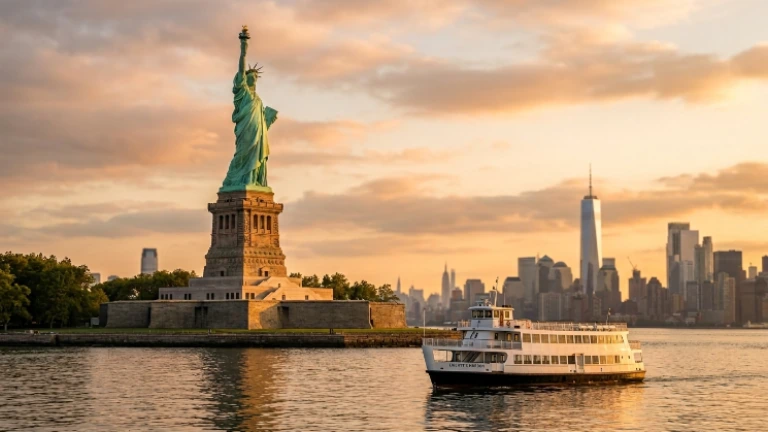
Today, the Statue of Liberty is a symbol of freedom, hope, and new chances. When visitors come to New York Harbor, they often see it as a warm welcome, especially for immigrants. But this meaning came later. In the beginning, the statue was more about freedom after suffering, especially related to slavery. Over time, its meaning grew bigger. Now people from all over the world can connect with it in their own way, and it stands for freedom for everyone.
Was the Statue of Liberty Linked to the End of Slavery?
Yes, the statue was strongly linked to the end of slavery. The idea came from Edouard de Laboulaye, a French architect and an abolitionist who wanted to end slavery. He was also a member of the Union League Club and helped start the French Anti-Slavery Society. After the Civil War, he helped collect and give money to people who had been freed from slavery.
In June 1865, he held a meeting in Versailles with other people who also wanted to end slavery. They talked about giving a special gift to the United States. This gift would celebrate the freedom of enslaved people and honor Abraham Lincoln for his role in ending slavery. This shows that the statue was first meant to celebrate freedom from slavery.
The Broken Chains at Her Feet: What Do They Mean?
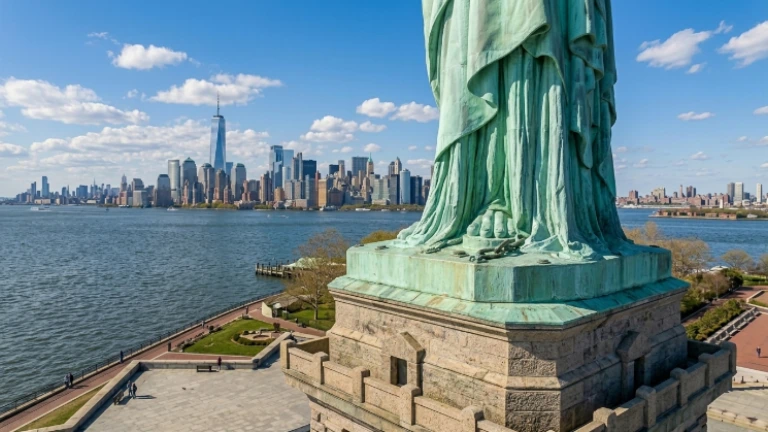
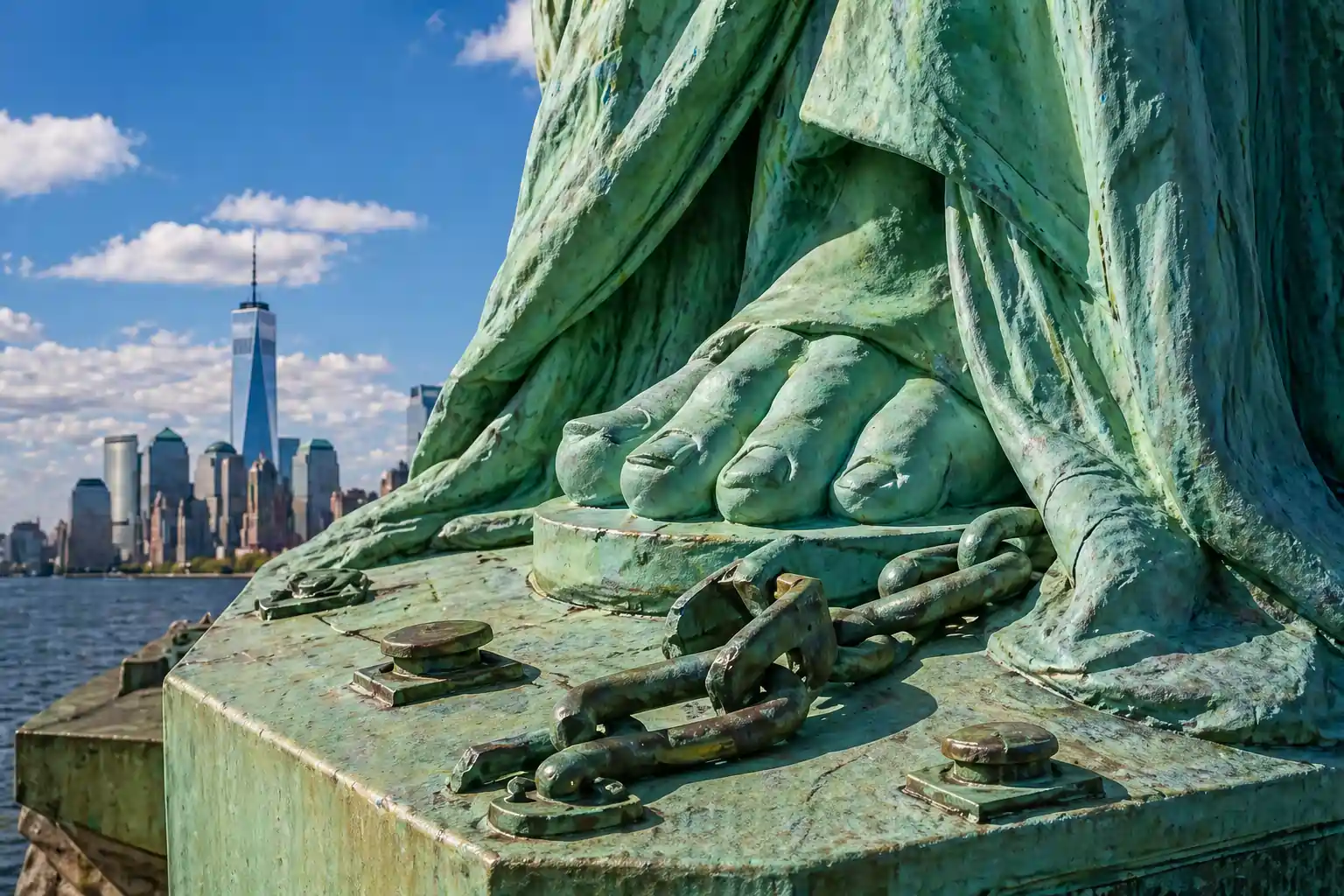
One very important detail of the statue is easy to miss. In the early design around 1870, Lady Liberty was shown holding broken chains in her left hand. These chains clearly showed freedom from slavery.
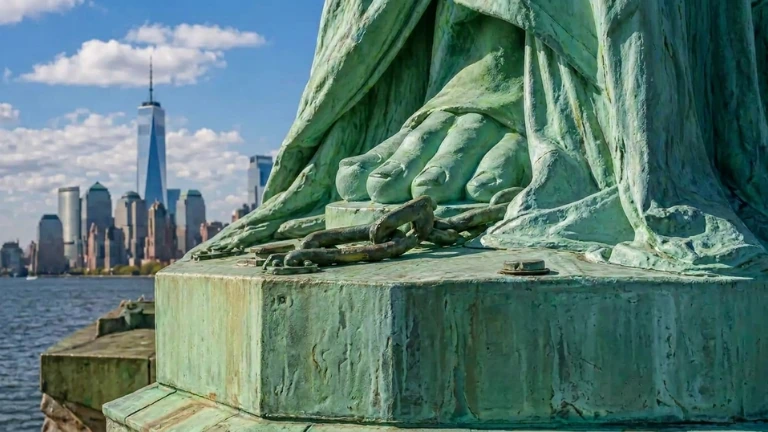
Later, this idea was changed. In the final statue, the chains were placed at her feet and partly covered by her robe. This makes them hard to see when you visit. Because of this change, many people do not notice this symbol. But it is still there and still shows the idea of freedom from slavery. If you look closely at her feet during your visit, you can spot this hidden detail.
History Behind the Idea of Freedom
The idea of freedom in the statue comes from both recent history and very old ideas. It shows the feeling of freedom after the American Civil War. At the same time, it was inspired by Libertas, the Roman goddess of freedom.
There is also a symbol called the Phrygian cap, which was worn by freed slaves in ancient Rome. This connects the statue to the idea of freedom from long ago. Some people also believe that the face of the statue may have been influenced by an earlier design for the Suez Canal, and it may look like an Egyptian woman. All these ideas came together to create a strong message about freedom across different times and cultures.
Who Designed the Statue and What Was His Intent?
The statue was designed by Frederic Auguste Bartholdi, and the idea came from Edouard de Laboulaye. Bartholdi built the statue in Paris in 1884. The base of the statue, called the pedestal, was designed in the United States by Richard Morris Hunt.
To bring the statue to America, it was taken apart into 350 pieces and packed into more than 200 crates. It arrived in New York on June 17, 1885, just over two months after the Civil War ended. It was then put back together on Bedloe’s Island. This island had an interesting past. It was once used by Lenape natives, then by Dutch settlers, and later became a military place called Fort Wood.
Bartholdi worked hard to raise money for the statue. He even showed the torch-holding arm in public to get attention. To get more support, he talked about the statue in a broader way, not only about ending slavery. This slowly changed how people understood its meaning.
Why Many People Don’t Know About the Anti Slavery Symbolism
The meaning connected to slavery slowly became less known. When the statue was shown to the public in 1886, newspapers did not talk much about its connection to ending slavery. Later, historians said that this meaning did not stay strong in people’s minds.
In the years after that, new ideas became more popular. Ellis Island opened in 1892, and many immigrants passed through it, so people started linking the statue with immigration. In 1903, a poem by Emma Lazarus was added to the pedestal of Statue of Liberty. This poem made people think even more about immigrants. Because of these changes, most visitors today do not know about the statue’s original meaning.
Is It Accurate to Say It Celebrates the End of Slavery?
It is true that the statue was made to celebrate the end of slavery, but that is not the whole story. The early design clearly showed this idea with broken chains. But over time, this meaning became less clear and less talked about.
By the time the statue was shown to the public, people had already started to see it in a different way. So, while it does celebrate the end of slavery, it also represents other ideas today.
How the Statue Represents Freedom Today
Today, the Statue of Liberty stands for freedom in a bigger way. It represents hope, new beginnings, and equal chances for people. Many visitors feel inspired when they see it in person.
Even though its meaning has grown, the main idea of freedom from suffering is still inside it. When you visit, you can enjoy the view, learn about its history, and feel connected to its powerful message.
Common Misconceptions About the Statue of Liberty
Many people believe things about the statue that are not fully true. For example:
It was always meant to welcome immigrants
The famous poem was part of the original design
In reality, the immigration meaning came later, and the poem was added in 1903. At first, the statue was more about ending slavery. Another misunderstanding is that the statue showed true equality when it was built. But at that time, African Americans still faced unfair treatment. Reconstruction had ended, the Supreme Court had reduced civil rights protections, and Jim Crow laws were becoming stronger. Black newspapers spoke against the statue. In 1886, the Cleveland Gazette said it was wrong to talk about liberty when many people were not truly free. W E B Du Bois also shared similar thoughts and pointed out the difference between the statue’s message and real life.
Final Verdict: What Does It Really Represent?
The Statue of Liberty has more than one meaning, and its story has changed over time. It first stood for the end of slavery and the idea of freedom. Later, people began to see it as a symbol of immigration and new beginnings. Today, it stands for freedom for everyone around the world.
When you visit, try to look beyond what you see at first. Notice small details like the chains at her feet and think about the history behind them. If you want to understand it better, taking a guided tour can help you learn more and enjoy your visit even more.
Frequently Asked Questions
Does the Statue of Liberty celebrate the end of slavery?▾
What do the broken chains at the Statue of Liberty mean?▾
Why are the chains on the Statue of Liberty hard to see?▾
Who wanted the Statue of Liberty to represent freedom from slavery?▾
Is the Statue of Liberty only about slavery?▾
Did the Statue of Liberty originally hold chains?▾
Why does the Statue of Liberty step on chains?▾
Did the Statue of Liberty fully represent freedom for everyone in 1886?▾
What is the hidden meaning of the Statue of Liberty?▾
Why don’t most people know about the slavery connection?▾
Sierra
Published on Statue of Liberty Cruises


